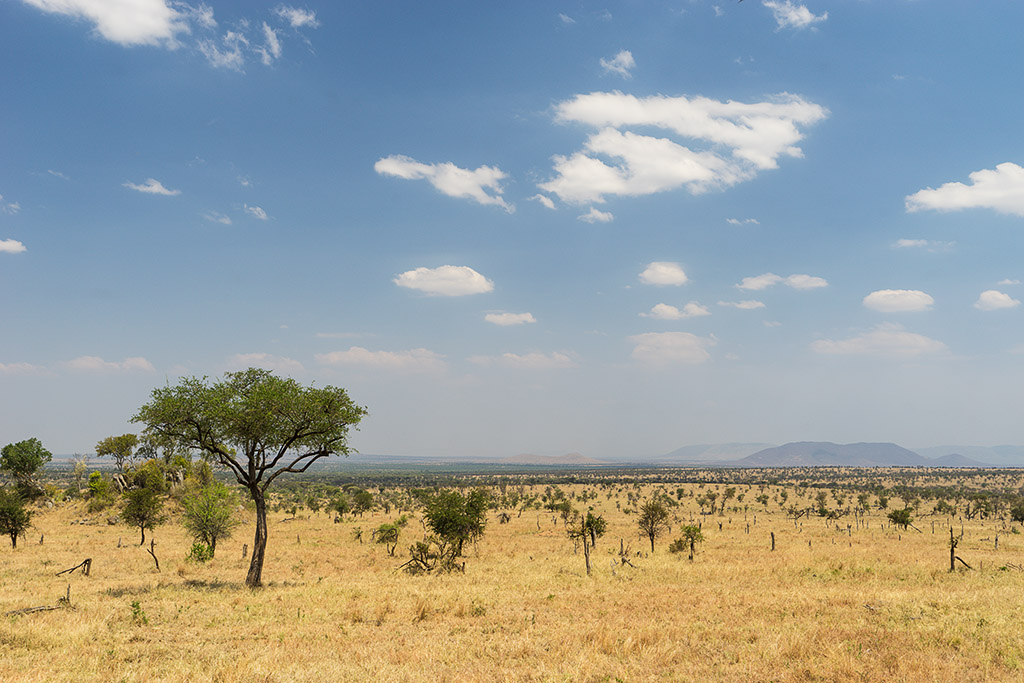
Serengeti National Park is located on the Serengeti Plain in north-central Tanzania. It partly adjoins Kenya. To the north-east, there’s the Ngorongoro Conservation Area.
For most visitors, a Great Migration safari in Tanzania is the main reason to come to Serengeti National Park. Such a safari usually takes you through Masai Mara and Ngorongoro Crater, too. The mobile camps are unique to the Serengeti National Park and are created to put you in the heart of the action. In order to view the migration, you need to plan your trip carefully as the movement of the herds depends on the rains. This changes from year to year.
A traditional jeep safari is just one of the ways to see the incredible wildlife. The lodges in and around Serengeti offer this type of safari. Night safaris are banned within the park itself but the private concessions in the great area do offer the option and it’s the only way to see the nocturnal wildlife.
The bucket-list activity Serengeti National Park is known for is the hot air balloon safari. It is an exclusive and expensive once-in-a-lifetime experience that will stay with you forever.
There are a lot of game drives available, as well as other types of safaris, included but not limited to: walking safari, horseback safari, and charter flight safari.
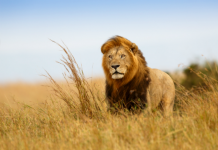
Serengeti National Park is home to the greatest concentration of plains game in Africa. There are two million wildebeest, about 900,000 Thomson’s gazelles, and 300,000 zebras. This also means there’s a healthy number of predators here as well. Serengeti National Park is home to the largest population of lions in the whole of Africa. And it is also one of the best places to spot the elusive leopard.
The hoofed animals – zebra, gazelle, impala, hartebeest, topi, buffalo, and water buck can be spotted in the Serengeti plains. The Western Corridor is where one can see the Nile crocodile, hippopotamus, and monkey, while the Northern Serengeti is perfect for spotting the elephant, giraffe, and dik – dik. Cheetahs are also common in this area.
The Ngorongoro Crater is the world’s largest unbroken crater, stretching over an area of 100 square miles (260 square kilometres) with walls 2,000 feet (610 meters) deep. It’s a geological marvel, and has a very strong case for inclusion on any list of the top natural wonders in the world.
Seeing the crater for the first time is an unforgettable experience. After climbing through the surrounding forest, you suddenly break into the open where you’re rewarded with ethereal blue-green vistas stretching before you.
The enclosed nature of the crater means it’s formed its own ecosystem. Deep in the caldera there are rich grasslands, swamps, springs, an acacia forest, and Lake Makat, a soda lake. Together they form one of the most beautiful wildlife havens on the planet; a place often referred to as ‘Africa’s Garden of Eden’.
A visit to the Ngorongoro Crater to witness the geological splendour of this astonishing landscape, and experience a wildlife encounter like little else.
A healthy population of endangered black rhino roam the plains near the Lereal Forest, along with a scattering of old bull elephants some of the largest tuskers alive in Africa today. They’re drawn to the shade of the Lereal Forest, although breeding herds of elephants rarely venture here, the cows and calves preferring the forested highlands.
The Ngoitoktok Springs is frequented by wallowing hippos who come here to sun bake, while the salt-whitened shores of Lake Makat turn a beautiful shade of pastel pink during the rainy season as flamingos flock to its shallows to sift algae and shrimps from its waters.
The mineral-rich floor of the caldera is largely open and covered with nutritious grasses, to the delight of herds of zebras, wildebeest, buffalo, and gazelles that graze here.
The high number of herbivores present supports the predators the Crater is home to the highest number of predators found anywhere in Africa. Black-maned lions stalk the grasslands and display a complete indifference to the game vehicles, often hunting next to them and flopping in their shade when exhausted.
They compete for food with hundreds of hyenas as well as cheetah and jackals and, if you’re lucky leopards will venture down, preferring to stick to the shady Lereal Forest.
The entire area is a conservation area, and visitors are only welcome during the daytime at night, the crater floor belongs solely to the wildlife. Game viewing vehicles descend the steep crater walls every morning, and must leave again by sunset.
The only downside to the Ngorongoro Crater is that its popularity means it can sometimes get crowded, so although the wildlife is spectacular the number of vehicles can disrupt the overall sense of wilderness many people seek on safari.