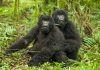
In the closet of central African tropical volcanic forests is a section that has stood out and offers tremendous gorilla trekking adventures. Rwanda is a premium gorilla trekking destination that offers upmarket trekking deals. Rwanda is still accompanied by great adventures that make the country’s notable experiences remarkable.
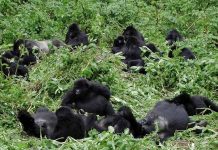
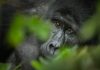
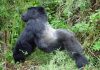
Rwanda is home to about half of the world’s mountain population that remains in the wild. It’s why several travelers have surged into Rwanda to trek with these gorgeous mammals in their natural forests.
The northern sections of this beautiful rolling landscape—that land of a thousand hills—are the Volcanoes National Park. Volcanoes National Park is the only park in Rwanda to trek with gorillas and is among the other endemic forests for endangered gorillas. Gorillas at volcanoes are fully habituated, so now trekkers have an opportunity for a close-up encounter.
First and foremost, gorilla trekking is the highlight of the rest of Africa’s adventures. Rwanda has always stood out as an exclusive gorilla trekking destination. For various reasons, finding the volcano dwellers is an amazing encounter.
Gorilla Habituation Experience
Started in 1968 by the renowned American zoologist and primatologist Diana Fossey. Gorilla habituation is the process aimed at helping gorillas get used to human presence. Gorillas are naturally aggressive mammals with their huge size, which allows them to reach out and attack in case of any threat. To calm their aggressive nature, gorillas undergo a habituation process for a period of not more than 2 years until they become familiar with human presence.
Researchers, conservationists, and a team of rangers spearhead habituation and take their time studying gorillas in the newly discovered group. Rwanda has about 10 habituated gorilla families that are readily available for trekking. Not like in the Rushaga sector of Uganda, where trekkers have an opportunity to do gorilla habituation, at Volcanoes habituation is not open to trekkers.
How Gorilla Trekking is Done
All starts with an early morning breakfast at your lodge, then a drive to the park starting point for a briefing about gorilla trekking. With your assigned group of 8, an armed ranger guide leads you to start a search for the apes. The trek involves penetrating into the dense forests to search for giants, which can last for about 3 minutes to 5 hours before finding the gorillas.
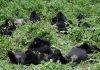
On finding the gorillas, trekkers have an hour before the giants to watch juveniles and infants jumping around. And as you come close to making face-to-face contact with the silver back, you realize they are directly communicating.
How Safe is Gorilla Trekking in Rwanda?
Despite its past history, Rwanda is a fully safe and friendly destination to trek with gorillas. Rwanda is one of the safest countries on the African continent. Rwanda’s low crime rate and standardized practice of set laws make it a safe destination for your next destination.
Though rebel activities in the neighboring Democratic Republic of Congo near Volcanoes National Park continue, Rwanda remains safe. When trekking gorillas, there is always the accompaniment of an armed and expert guide moving into the deep forests.
Gorilla Trekking Etiquette
When preparing to meet the gorillas, there are things to always consider. Mountain gorillas are very cautious primates due to their surviving environment, which has been proven not to survive in captivity. The right moment for seeing and enjoying the silent, busy moment is when all these things are set aside for gorilla trekking. Gorilla trekking is limited to children under the age of 15. Below are children who are considered not to be able to deal with the negative reactions of gorillas.
What to do
- Attend the orientation sessions before setting out for trekking.
- Present your valid trekking permit.
- Wash your hands before setting out to trek with the gorillas.
- Always dig a ditch when you want to defecate and cover afterwards.
They don’t include:
- Don’t litter in the forest.
- Don’t eat before the gorillas.
- They have to maintain silence when they find the gorillas.
- When taking photographs, cameras must not have flashlights.
- When found, the gorillas maintain a distance of 5 to 7 meters.
- Stay in a group.
- Don’t look straight into the gorilla’s eyes.
- Don’t ever run from the gorillas.
- Don’t sneeze or cough before the gorillas.
- Not touching or attempting to touch the gorillas
Permits for Gorilla Trekking
Trekking in Rwanda is a bit more expensive than at any other gorilla destination. A permit costs $1,500, which is nearly three times as much as that of Congo, which costs $450, and over double that of Uganda, which costs $700.
The Best Time to Go Gorilla Trekking Adventure
The best time to trek with gorillas in Rwanda is during the dry season. The dry months of June, July, August, and mid-September are the longest dry seasons. This is the best time of year to see mountain gorillas in the Volcanoes National Park of Rwanda.
Also, December, January, and February are dry months that are good for trekking gorillas. During the dry months, there are limited rains, and the grounds are dry, which is perfect for visiting Rwanda.
Which level of fitness does one need to Go Gorilla Trek in Rwanda?
Planning to trek gorillas involves hikes through higher terrain, walks through thick vegetation, and edging to cliffs and valleys. Though one doesn’t need training or experience to trek with the gorillas, a certain level of fitness is needed.
A moderate level of fitness is necessary when planning to trek gorillas; however, unfit elderly people aged 80 and older have taken the initiative to trek gorillas and meet gorillas. Gorilla trekking is an active encounter that requires a certain level of energy.
For trekkers who can’t afford to use that energy, there are porters who help carry their backpacks. However, several trekkers have used porters to carry them at a cost of $15, and they get a moment before the gorillas.
The packing list for a Gorilla Tour
Any person intending to trek with gorillas must understand what they need to walk with to avoid embarrassment. Because the trek involves entering the forest and spending some time there, consider the packing list very important.
The packing list for trekkers should include: long pants and a long-sleeved shirt; waterproof jungle boots; thick socks and garden gloves; a rain jacket; a wide-brim hat; sunscreen; body insect repellent; at least two litters of water; a camera; headbands and hair ties; snacks; a packed lunch; a walking stick; and binoculars.