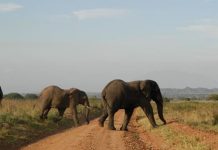

Kenya is a popular destination in Africa for ecotourism, which The International Ecotourism Society, or TIES, defines as “responsible travel to natural areas that conserves the environment and improves the well-being of local people.” Ecotourism in Kenya is fueled by public and private initiatives that revolve around the country’s rich wildlife. Many tour operators in Kenya do offer Eco tourism safaris and none other Eco Tours Kenya that can offer you the best from the lodges and exclusive camps of stay in the parks and reserves.
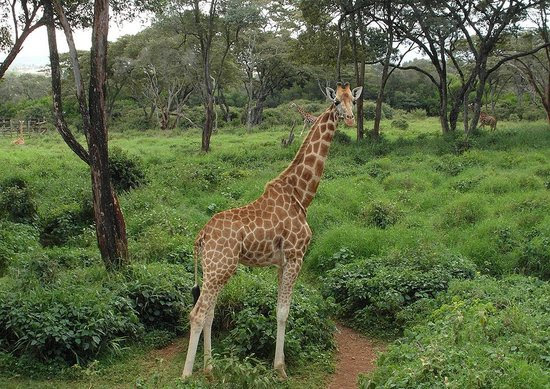
Kenya owes its status as an Eco – destination to its fauna, which includes a group of mammals known as the “Big Five” — elephant, rhinoceros, buffalo, lion and leopard. Kenya is also home to approximately 11 percent of the world’s avian species.
These and other animals can be seen in the country’s 54 national parks and reserves, as well as an increasing number of private and community-owned ranches and sanctuaries. Kenya’s seven habitats — savannas, beaches, forests, snow-capped mountains, deserts, coral reefs and river deltas — also help draw the more than 500,000 tourists who visit every year.
Kenya’s natural attractions allow for enriching, nature-based recreation, such as game-viewing safaris and bird watching, which supports conservation efforts and the well-being of surrounding communities. Aquatic activities are also available on Kenya’s eastern coast. Every year, from February to April, scientists tag whale sharks, the biggest known species of fish, to track them via satellite.
Kenya also offers a number of athletic activities that are aligned with the country’s ecotourism ethos. For example, the Lewa Wildlife Conservancy, a privately-owned ranch and rhinoceros conservation area, hosts a marathon every year meant to raise funds for the conservation of the species that live in the area.
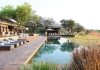
Tourists in Kenya have several eco-friendly lodges to choose from that conserve water and use sustainable energy sources. Many are collaborations between local communities that provide land and labor and investors that fund and help manage the project. An example is Koija Starbeds in the Laikipia region, which is owned by the Koija community and represents a partnership between the community, the African Wildlife Federation and Loisaba Wilderness, a private enterprise.
Other lodges are entirely owned by the community. Among the most popular is the Il Ngwesi Group Ranch, which was built using local materials and is owned by the local Maasai people. A large percentage of the profits are reinvested in other community projects.